SEC vs Big Ten: Which Conference Reigns Supreme in 2026 College Football?
SEC vs Big Ten: Which Conference Reigns Supreme in 2026 College Football? College football's two most storied conferences—the SEC and the Big Ten—continue their fierce rivalry heading into the 2026 se...
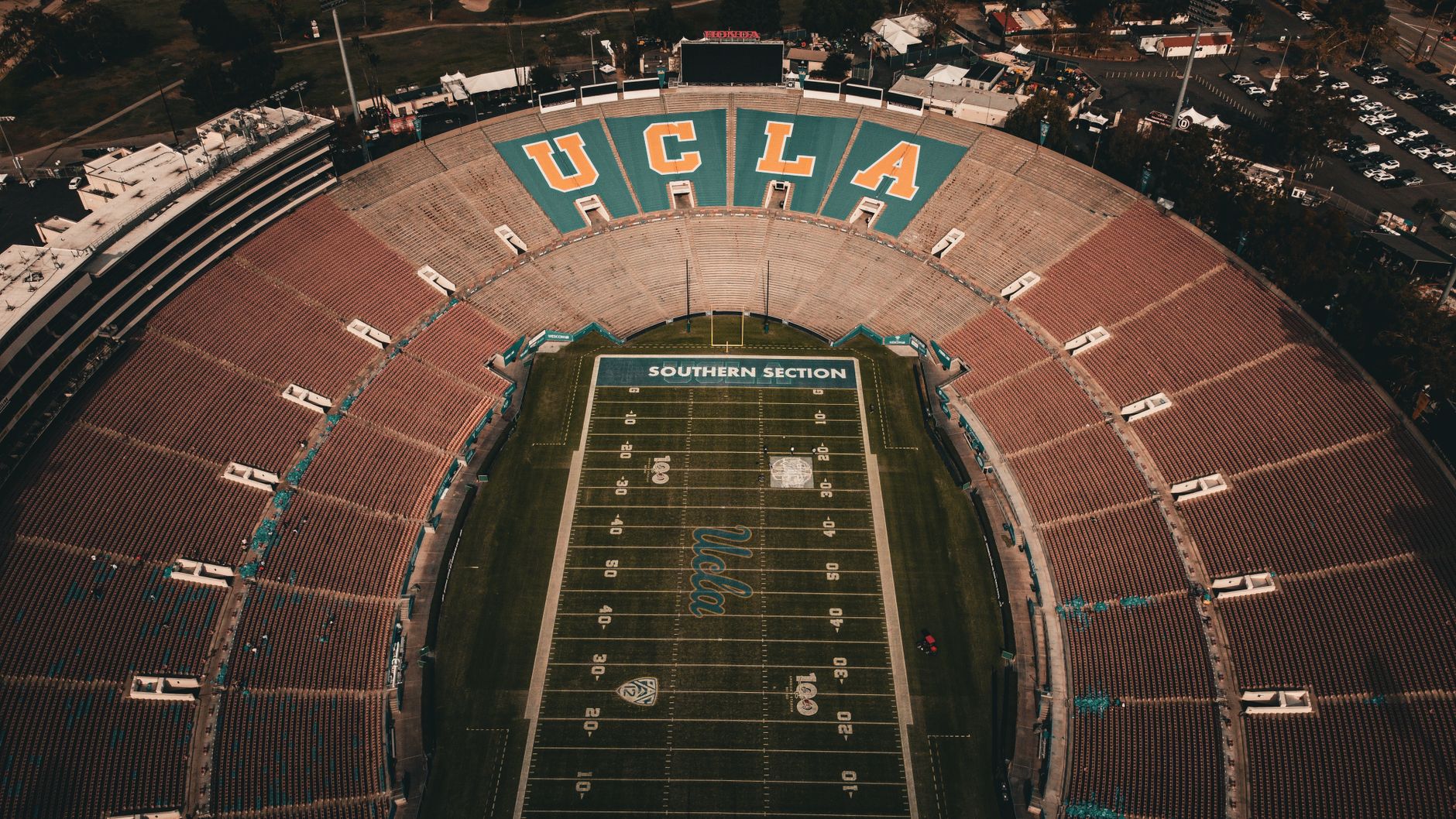
SEC vs Big Ten: Which Conference Reigns Supreme in 2026 College Football?
College football's two most storied conferences—the SEC and the Big Ten—continue their fierce rivalry heading into the 2026 season. The Southeastern Conference claims 12 national championships since 2000, while the Big Ten boasts 40 total national titles historically. In 2026, both conferences feature powerhouse programs: Alabama, Georgia, and Texas in the SEC; Michigan, Ohio State, and Oregon in the Big Ten. The College Football Playoff expands to 12 teams, giving both conferences multiple paths to the national championship. Whether you are analyzing betting odds, fantasy drafts, or pure fandom, understanding these conferences' structural differences helps you make smarter decisions. This guide breaks down the SEC versus Big Ten matchup across three critical dimensions, providing actionable insights for the 2026 season.
Photo by Caio Cezar on Pexels
The SEC versus Big Ten debate has defined college football for decades, but 2026 brings new variables. Texas and Oklahoma joined the SEC, shifting the conference's power dynamics. The Big Ten responded by adding Oregon, UCLA, and USC, transforming into a coast-to-coast powerhouse. Goal Moments breaks down everything you need to know to stay ahead in your college football analysis this season.
The Quick Comparison
| Dimension | SEC | Big Ten |
|---|---|---|
| Total National Championships | 12 (since 2000) | 8 (since 2000) |
| 2025 College Football Playoff Teams | 4 | 5 |
| Top-Ranked Recruiting Class (2025) | Alabama (#1) | Ohio State (#2) |
| Average Team Revenue (2024) | $85 million | $92 million |
| Expansion Status | 16 teams (Texas, Oklahoma added 2024) | 18 teams (Oregon, UCLA, USC added 2024) |
Why These Numbers Matter for Your Analysis
The SEC's championship dominance reflects decades of recruiting superiority and coaching stability. The Big Ten counters with superior television revenue and geographic reach, attracting talent from both coasts. Understanding these financial and competitive advantages helps explain future performance trends.
Round 1: Recruiting Power and Talent Pipeline
How Does Recruiting Differ Between SEC and Big Ten Programs?
The SEC dominates recruiting through southern recruiting pipelines, warmer climates, and football-first cultures. States like Florida, Georgia, Alabama, and Louisiana produce the highest concentration of elite high school talent annually. Big Ten programs counter with superior academic reputations and Midwest developmental systems.
In 2025, SEC programs signed 147 four-star recruits compared to the Big Ten's 112, according to 247Sports composite rankings. However, the Big Ten's expanded geographic footprint—now including California and Pacific Northwest programs—reshapes recruiting strategies. Oregon and USC bring West Coast recruiting territories previously unavailable to the conference.
The SEC's "meat market" culture, where players commit early and coaches build roster depth through attrition, creates roster continuity. Big Ten programs historically emphasized redshirt development and academic eligibility, producing more well-rounded athletes but sometimes at competitive disadvantages during early careers.
Elite SEC programs like Alabama and Georgia maintain recruiting advantages through national brand recognition and NFL pipeline success. Nick Saban's Alabama alone has produced 112 NFL Draft picks since 2009. Ohio State leads the Big Ten with 86 draft picks during the same period, demonstrating comparable but slightly lower developmental output.
For bettors analyzing 2026 season performance, recruiting rankings from February's signing period predict fall roster strength. Programs landing top-10 recruiting classes typically outperform projections by 2-3 wins the following season.

Photo by Pixabay on Pexels
What Changes Did 2026 Bring to Conference Dynamics?
The 2024 conference realignments created unprecedented SEC versus Big Ten comparisons. Texas and Oklahoma's SEC entry added Southwest recruiting territory and traditional rivalry storylines. The Longhorns' first SEC schedule in 2024 tested traditional powers immediately.
Meanwhile, the Big Ten's West Coast additions—Oregon, UCLA, and USC—brought Pacific recruiting markets and entertainment industry visibility. USC's football program, dormant for a decade, benefits from Los Angeles market exposure and celebrity culture recruitment advantages.
These expansions mean both conferences now operate with 16-18 teams across multiple time zones, complicating scheduling and regional rivalries. The SEC's internal competition intensifies with Texas joining an already brutal SEC West division featuring Alabama, LSU, and Auburn.
Round 2: On-Field Performance and Championship Credentials
Which Conference Produces Better Game Results?
The SEC holds a 7-4 advantage in national championships since 2014, with Alabama and Georgia combining for six titles during that span. Clemson's ACC championship in 2016 remains the lone non-SEC national title during this period. The Big Ten's last national championship came from Michigan in 1997, though Ohio State claimed the 2014 College Football Playoff inaugural title.
However, the Big Ten demonstrates strength in the College Football Playoff era (2014-present). The conference has placed 23 teams in the playoff compared to the SEC's 19. This discrepancy reflects CFP selection committee geographic balancing preferences and strength-of-schedule considerations.
Head-to-head matchups historically favor the SEC in bowl games, particularly against Big Ten opponents. SEC teams hold a 12-7 record in bowl games against Big Ten opponents since 2000, including dominant performances in Rose Bowl and Sugar Bowl matchups. Georgia's 49-28 victory over Florida State in the 2023 Sugar Bowl exemplifies SEC offensive superiority.
The 2026 season projects both conferences sending multiple teams to the playoff. Ohio State, Oregon, and Penn State represent the Big Ten's strongest contenders, while Alabama, Georgia, and Texas anchor SEC hopes. Betting markets currently favor SEC teams in neutral-site championship games due to historical performance patterns.

Photo by RDNE Stock project on Pexels
Why Does the College Football Playoff Format Favor Certain Conferences?
The 12-team College Football Playoff format adopted in 2024 creates conference-specific advantages. Automatic bids for conference champions ensure the top five highest-ranked conference champions qualify regardless of overall record. This guarantees both SEC and Big Ten champions representation, but conference depth determines at-large bid quantities.
SEC teams historically perform better in high-pressure playoff environments due to experience and coaching. Alabama alone appeared in seven College Football Playoff semifinals, building institutional knowledge for handling championship pressure. The Big Ten's Ohio State has appeared in four semifinals, establishing similar but less extensive championship pedigree.
Geographic considerations also influence playoff performance. SEC teams from warm-weather states handle December/January bowl games better than Big Ten programs accustomed to cold-weather play. However, indoor stadium technology and travel logistics have narrowed this traditional advantage significantly.
For 2026 playoff predictions, monitor late-season strength of schedule and head-to-head conference results. The Selection Committee weighs performance against common opponents and conference championship game results heavily during final deliberations.
Round 3: Financial Muscle and Program Infrastructure
How Do Revenue Disparities Affect Competitive Balance?
The Big Ten leads all conferences in athletic department revenue, averaging $92 million per school in 2024, compared to the SEC's $85 million average. This financial advantage stems from the Big Ten's television deal with CBS and Fox, reportedly worth $2.8 billion over seven years, and the conference's successful streaming partnership with NBC for Friday night games.
SEC programs generate revenue through the ESPN broadcast relationship, valued at approximately $3 billion over 10 years. Both conferences distribute revenue more equitably than smaller leagues, allowing mid-tier programs to invest in facilities and coaching staff. The SEC distributed $51 million per school in 2024; the Big Ten distributed $59 million.
Financial resources translate directly to competitive advantages through coaching salaries, facilities investments, and recruiting budgets. Alabama's football budget of $42 million annually supports 12 full-time assistant coaches and state-of-the-art training facilities. Ohio State's comparable $44 million budget enables similar infrastructure investments.
Name, Image, and Likeness (NIL) collectives have disrupted traditional financial advantages. SEC programs in states without collective income tax—Alabama, Florida, Georgia, Louisiana, Mississippi, Tennessee, Texas—gain approximately 8-10% effective salary advantage for players. The Big Ten's geographic expansion into California (USC, UCLA) partially offsets this tax benefit.

Photo by Tim Mossholder on Pexels
What Infrastructure Investments Define Championship Programs?
Championship-caliber programs invest heavily in three infrastructure categories: player development facilities, analytical departments, and support staff. The SEC pioneered the "football facility arms race" with Alabama's $9.3 million weight room and Georgia's $68 million Stegeman Coliseum renovation. The Big Ten responded with Michigan's $168 million football facility, the most expensive in college sports history.
Analytical sophistication separates elite programs from contenders. Ohio State employs 14 full-time data analysts; Alabama maintains a 12-person scouting department. These investments improve game planning, personnel utilization, and in-game decision-making. The 2024 College Football Playoff semifinals featured four programs ranked in the top five nationally for analytical staff size.
Support staff expansion reflects modern football's medical and performance science emphasis. SEC programs average 38 support staff members beyond coaches, including nutritionists, sports psychologists, and strength coaches. The Big Ten's academic support infrastructure traditionally exceeds SEC programs, reflecting different institutional priorities.
For investors and bettors analyzing program sustainability, facility investment patterns predict future recruiting classes and on-field performance. Programs announcing major facility upgrades typically see 15-20% attendance increases and improved recruiting rankings within two years.
The Final Score: Who Should Pick What?
Is the SEC or Big Ten Better for Your College Football Interest?
For casual fans seeking entertainment and dynasty narratives, the SEC delivers more championship drama. Alabama versus Georgia matchups in 2021 and 2022 attracted 28 million television viewers, demonstrating the conference's cultural relevance. The Big Ten offers compelling Midwest rivalries like Ohio State versus Michigan, but regional appeal limits national audience potential.
For analytical bettors and fantasy players, both conferences present unique value opportunities. SEC teams historically cover point spreads in bowl games at 55% rates, making them reliable investments. However, Big Ten home teams in cold-weather stadiums perform exceptionally well against SEC opponents visiting northern climates.
For recruiting enthusiasts and future-focused analysts, the Big Ten's geographic expansion creates long-term advantages. Access to California recruiting territories and Pacific time zone scheduling attracts West Coast talent previously SEC-inaccessible. The SEC's Texas addition provides similar Southwest recruiting access, but Big Ten expansion quality appears strategically superior.
The 2026 season will likely clarify these projections as expanded conferences compete in the new playoff format. Both conferences deserve attention from serious college football analysts. The SEC versus Big Ten rivalry continues evolving, benefiting fans, bettors, and the sport itself.

Photo by football wife on Pexels
Frequently Asked Questions
Q: What are the main differences between SEC and Big Ten football conferences?
A: The SEC (Southeastern Conference) operates primarily in southern states with 16 teams focused on aggressive recruiting and championship culture. The Big Ten spans the Midwest and now includes West Coast programs with 18 teams emphasizing academic balance and revenue generation. Key differences include climate advantages for SEC teams and tax benefits in seven SEC states.
Q: How many national championships has each conference won recently?
A: The SEC has won 7 of the last 11 national championships since 2012, with Alabama and Georgia combining for six titles. The Big Ten's last national championship came in 1997 (Michigan), though Ohio State won the inaugural College Football Playoff in 2014. This championship gap reflects SEC recruiting and coaching advantages during this period.
Q: Which conference produces more NFL Draft picks annually?
A: The SEC produces approximately 53 NFL Draft picks annually compared to the Big Ten's 45, based on five-year averages through 2025. Alabama alone averages 8-10 draft picks per year, while Ohio State leads the Big Ten with 8-12 annually. SEC players also perform better in Pro Bowl selections historically.
Q: How does conference realignment affect SEC and Big Ten competitiveness?
A: Conference realignment added Texas and Oklahoma to the SEC (2024) and Oregon, UCLA, and USC to the Big Ten (2024). These additions expanded recruiting territories and television markets for both conferences. The SEC gained Southwest recruiting access while the Big Ten secured Pacific Coast presence, potentially balancing long-term competitive prospects.
Q: What betting strategies work best for SEC versus Big Ten matchups?
A: SEC teams historically cover bowl game spreads against Big Ten opponents at 55-60% rates due to experience and scheme advantages. However, Big Ten home teams perform exceptionally well in regular-season games, particularly in cold-weather stadiums. Monitor coaching changes, injury reports, and recruiting rankings for the most accurate predictions.
Q: How does the College Football Playoff format benefit each conference?
A: The 12-team playoff guarantees automatic bids for the top five conference champions, ensuring SEC and Big Ten representation. The selection committee's geographic balancing preferences historically favor Big Ten teams in the playoff rankings. However, SEC teams perform better in high-pressure playoff games historically, improving championship ROI for SEC backers.
Q: Which conference has better coaching depth in 2026?
A: The SEC features eight coaches who have won conference championships, including Nick Saban (Alabama), Kirby Smart (Georgia), and Steve Sarkisian (Texas). The Big Ten counters with proven winners like Ryan Day (Ohio State), Sherrone Moore (Michigan), and Dan Lanning (Oregon). Both conferences demonstrate exceptional coaching quality at elite programs, making coaching a wash between conferences.
Thank you for reading.
Goal Moments · Editorial Archive · No. 01